
Bare soil should be protected during a construction delay when rainfall, runoff, wind, or site drainage could move exposed material before work resumes. There is no single safe exposure period for every site. The decision depends on erosion risk, expected delay length, upcoming construction activity, and whether the ground can remain undisturbed long enough for vegetation to establish. Jade Blade Hydroseeding provides hydroseeding and erosion-control services for disturbed construction and development sites across Alberta and Western Canada.
Why Construction Delays Increase Erosion Risk
Grading, excavation, and other earthwork remove or disturb the surface conditions that previously helped keep soil in place. When construction pauses before permanent stabilization is complete, exposed ground remains vulnerable even though equipment has stopped moving.
Rainfall can detach surface soil, runoff can carry it downslope or concentrate into erosion channels, and wind can move dry, loose material. Soil movement can also affect completed grades, drainage areas, roads, neighbouring property, and stormwater infrastructure.
The urgency of stabilization therefore depends on site exposure rather than a fixed number of days. Current Calgary construction requirements emphasize minimizing exposed ground and using appropriate practices to manage erosion during construction, illustrating why delay length must be considered together with actual site risk.
Choose Soil Protection Based on How Long the Delay May Last
Expected delay length affects whether the priority should be short-term soil protection or establishing cover that can remain useful for a longer inactive period.
The construction sequence matters just as much. A treatment that will be removed by imminent excavation or grading serves a different purpose from one installed on an area that may remain untouched for an extended period.
Short Construction Delays
During a short delay, the objective is usually to protect vulnerable soil without creating unnecessary work before construction resumes.
Relatively flat areas with limited runoff exposure may present less immediate risk than slopes, drainage paths, stockpiles, or areas already showing erosion. Those higher-risk locations may need protection even when the delay is expected to be brief.
Weather exposure also matters. A short delay that includes significant rainfall or strong runoff can create more erosion risk than a longer pause under less exposed conditions. Duration alone should not determine whether stabilization is necessary.
Longer or Uncertain Delays
When the restart date is longer or uncertain, leaving soil exposed on the assumption that work will resume soon becomes harder to justify. Repeated weather exposure gives runoff and wind more opportunities to move soil and alter the site.
A longer undisturbed period can also make vegetation establishment more practical. If an area is suitable for seeding and will remain untouched, establishing cover may provide protection throughout the delay rather than relying solely on a short-term treatment.
That decision still depends on growing conditions, soil preparation, runoff exposure, and the future construction sequence. A long delay does not automatically make seeding appropriate for every disturbed area.
Identify the Bare Areas Most Likely to Erode First
If the entire site cannot be stabilized at once, prioritize areas according to erosion exposure and the consequences of soil movement.
- Slopes and embankments: Runoff and gravity increase the potential for disturbed soil to move downslope.
- Drainage paths and low areas: Concentrated water can remove soil faster than runoff spread across a wider surface.
- Loose or recently graded soil: Disturbed material may be vulnerable before the next construction or stabilization phase.
- Soil stockpiles: Exposed piles can lose material to rainfall, runoff, or wind and release sediment into surrounding areas.
- Areas near roads, drains, neighbouring property, or stormwater infrastructure: Soil leaving these locations can create off-site impacts.
- Existing rills or washouts: Previous erosion identifies locations where water is already concentrating.
The first areas treated should be those most likely to lose soil or create downstream problems if erosion occurs. Protecting lower-risk ground first does not resolve a more exposed slope, drainage route, or stockpile elsewhere on the site.
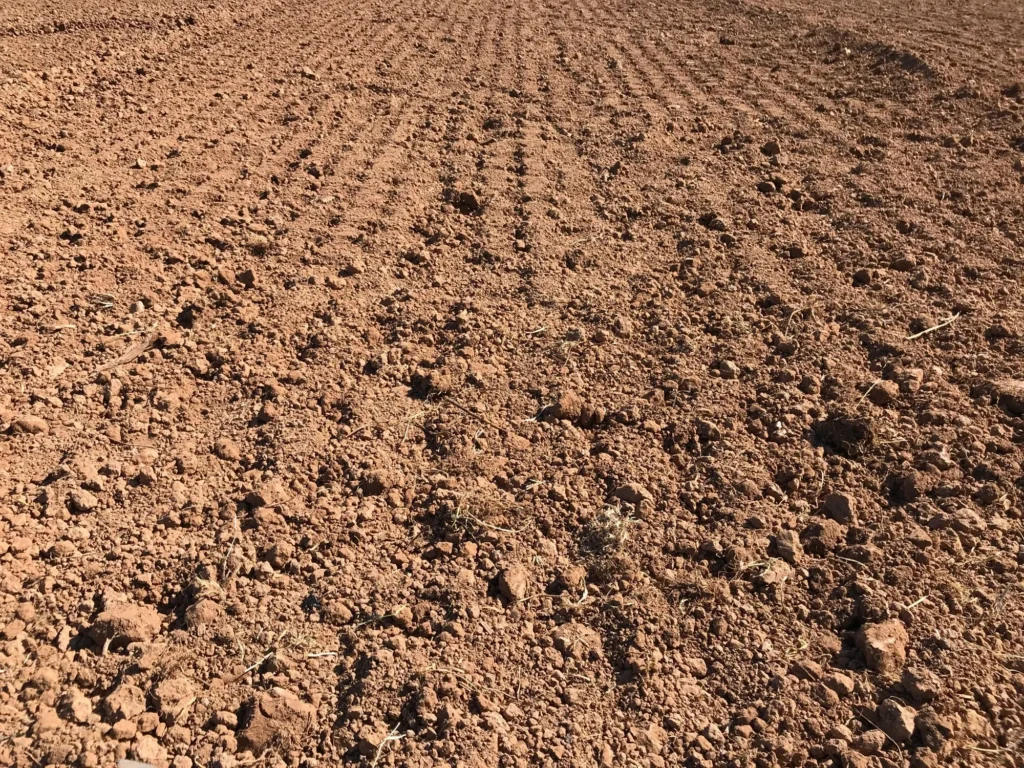
When Hydroseeding Makes Sense During a Construction Delay
Hydroseeding makes sense when establishing vegetation will provide useful protection during the delay and the treated surface can remain undisturbed long enough for that vegetation to develop.
It is particularly relevant to completed or inactive portions of a project where earthwork has finished but permanent landscaping or the next development phase has been postponed. Jade Blade coordinates commercial hydroseeding with grading completion, site access, and active construction schedules.
When Vegetation Has Time to Establish
Hydroseeding is more useful when the area will remain undisturbed for a meaningful establishment period rather than being excavated or regraded shortly after application.
Potential examples include completed portions of phased developments, inactive areas outside the current construction footprint, and disturbed ground that will remain unused while work proceeds elsewhere.
The surface must also be capable of supporting vegetation. Soil condition, preparation, seasonal growing conditions, moisture availability, and erosion exposure all influence whether establishment is realistic during the available window.
When Future Construction Will Disturb the Area Again
Future disturbance does not automatically make hydroseeding unnecessary. The tradeoff is between how long vegetation could protect the soil and how soon construction will remove that cover.
If excavation or grading will resume soon across the same area, temporary stabilization is generally more compatible with the construction sequence. Establishing vegetation only to remove it shortly afterward may add work without providing enough time to deliver useful erosion protection.
If the restart date is substantially delayed or uncertain, vegetation may still be worthwhile even if the area will eventually be disturbed. Phased projects can also use different treatments in different areas, keeping near-term work zones under temporary protection while establishing vegetation on sections expected to remain inactive.
When Temporary Erosion Control Is More Appropriate Than Seeding
Temporary erosion control is more appropriate when exposed soil needs protection now but establishing vegetation does not fit the next stage of construction.
This can apply where grading will resume before vegetation has useful time to establish, where excavation will remove the treated surface, or where current growing conditions are unsuitable for reliable establishment.
Temporary stabilization is not one specific treatment. The appropriate method depends on the soil, slope, runoff exposure, length of protection required, and planned work afterward. Jade Blade’s erosion-control services include soil stabilization and soil-amendment options for construction and development conditions.
Compatibility with future work should be considered before installation. Some temporary treatments may need to be removed, disturbed, or incorporated into later site preparation. Selecting the measure with the next construction activity in mind reduces unnecessary rework.
Protect Drainage Paths, Slopes, and Soil Stockpiles First
Drainage paths, slopes, and stockpiles deserve early attention because each can create concentrated or accelerated soil movement during a delay. Drainage paths should be protected because water moving through a defined route can cut into otherwise stable exposed soil. Existing rills or washouts indicate that runoff is already concentrating and should not be treated as a simple bare-soil problem.
Slopes require attention because runoff can gain erosive force as it moves downslope. Where the ground itself is unstable rather than merely exposed, surface protection alone may not address the underlying problem.
Stockpiles contain loose material that can be displaced and carried into surrounding work areas or drainage systems. Current Calgary construction guidance specifically calls for stockpiles to be stabilized and contained and for temporary cover to be used on exposed soil vulnerable to erosion.
When treatment must be staged, these high-exposure areas generally take priority over flatter ground that is protected from concentrated runoff.
What Happens When Construction Is Ready to Resume
When construction resumes, determine which stabilization measures can remain and which will conflict with the next activity. Temporary controls may need to be removed, adjusted, or worked around depending on their purpose and the planned excavation or grading. Vegetated areas that do not need to be disturbed should remain protected rather than being cleared simply because construction has restarted elsewhere on the site.
Where disturbance is necessary, limit it to the active work area. This reduces the amount of previously stabilized soil returned to an exposed condition.
If newly disturbed ground remains unfinished again, its stabilization needs should be reassessed based on the new construction schedule and erosion exposure. Protection installed during the first delay should not be assumed to remain effective after the site has been reworked.
Plan Bare-Soil Stabilization with Jade Blade Hydroseeding
Planning bare-soil stabilization starts with the construction schedule and the physical conditions of the exposed area. The expected delay, future disturbance, slope, soil condition, runoff exposure, and site access determine whether vegetation establishment or another stabilization approach is appropriate.
Jade Blade Hydroseeding works with developers, contractors, municipalities, commercial projects, and construction sites throughout Alberta and Western Canada. Its services include commercial hydroseeding, erosion control, soil stabilization, and soil amendments for disturbed ground and development projects.
For areas expected to remain undisturbed, hydroseeding may provide useful vegetative stabilization during an extended delay. Where construction will resume sooner or the site presents erosion conditions that vegetation alone cannot address, another form of protection may be more appropriate.