

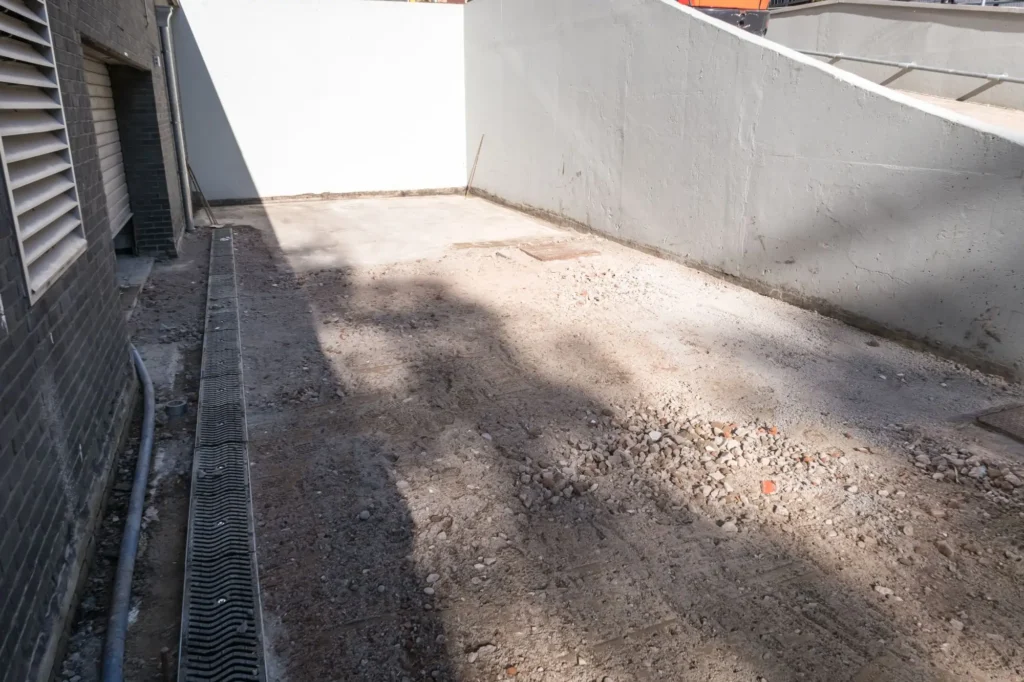
Bare soil after new home construction in Edmonton creates immediate exposure to erosion, dust movement, and surface instability. Once grading is complete, the soil is often left loose, uneven, and unprotected, especially on clay-heavy sites common in the region. Surface instability typically appears as soil shifting, pooling water, or loss of grade near foundations and walkways. These conditions can change quickly with weather, often within days or before the first major rainfall or snowmelt event, turning a newly finished property into a maintenance issue if not addressed early.
Jade Blade Hydroseeding works with post-construction sites where soil stabilization is required shortly after grading to prevent early-stage damage and uneven surface conditions.
Why Bare Soil Becomes a Problem After Grading
After construction, soil is typically stripped, moved, and compacted in ways that reduce its natural structure. This loss of structure affects how the soil drains, compacts, and supports seed penetration. Topsoil may be thin or inconsistent, and the surface is often left exposed without vegetation or protection.
This creates a condition where the soil cannot retain moisture evenly and is more vulnerable to displacement. On Edmonton properties, clay-heavy soil can harden when dry, crack under temperature shifts, and become unstable when saturated, which directly affects how well seed can establish. Without stabilization, the surface begins to shift, dry out, or collect water unevenly depending on weather and grading quality.
Risks of Waiting Too Long to Stabilize Soil
Delaying soil stabilization increases the likelihood of erosion and uneven surface conditions. Wind can move dry top layers, while rain or snowmelt can wash soil into low areas or away from the property entirely.
As time passes, these effects compound through repeated erosion cycles, where each weather event further disrupts the surface and increases the need for regrading before seeding can begin. On exposed sites, this can occur within a short window, often days to a few weeks depending on conditions.
Common risks include:
- Surface erosion during rainfall or snowmelt
- Dust movement across exposed areas
- Soil displacement into driveways, sidewalks, or adjacent lots
- Uneven settling that affects final grading
These issues are more difficult to correct after they develop than they are to prevent immediately after construction.
Hydroseeding as a Post-Construction Solution
Hydroseeding is commonly used after construction to stabilize soil and establish initial ground cover. The application creates a bonded layer made of mulch and binding agents that holds moisture and seed in place while supporting germination.
On newly graded lots, this method provides a way to apply seed evenly across uneven or disturbed surfaces without requiring mechanical placement. However, on steep slopes or areas with concentrated runoff, hydroseeding alone may not provide sufficient long-term stabilization.
How Hydroseeding Reduces Erosion and Dust
The hydroseeding slurry forms a protective layer that helps reduce direct exposure to wind and water. This layer holds seed in place while also limiting how easily the soil surface can shift.
By covering the soil, hydroseeding reduces dust movement in dry conditions, which can impact air quality and deposit debris across nearby surfaces. It also reduces the velocity of water across the soil surface, helping limit disruption during rainfall events.
This approach is commonly used in large-scale hydroseeding projects where large or disturbed areas require immediate stabilization after construction activity.
When Erosion Control Measures Are Also Required
Hydroseeding alone may not be sufficient in all post-construction conditions. Properties with steep slopes, heavy runoff paths, or highly exposed surfaces may require additional erosion control measures to prevent soil loss.
These measures can include matting, netting, or soil amendments designed to reinforce the surface and improve retention. In these cases, hydroseeding works as part of a broader stabilization approach rather than a standalone solution.
Situations where added protection is needed include:
- Sloped or graded areas where water flow is concentrated
- Sites with minimal topsoil or poor soil structure
- Properties exposed to consistent wind without natural barriers, such as open-facing lots
- Areas where runoff moves across the surface during rainfall
For these conditions, combining hydroseeding with soil stabilization and erosion solutions helps improve surface stability and supports more consistent establishment.
How Quickly Should You Hydroseed After Construction?
Timing is a critical factor in post-construction soil stabilization. The longer bare soil remains exposed, the greater the risk of erosion and surface disruption.
Hydroseeding should be completed as soon as final grading is stable, meaning compaction is complete, slopes are set, and no further heavy equipment traffic will disturb the surface. Waiting too long allows environmental factors to begin altering the surface, which can lead to regrading requirements or reduced germination consistency.
On Edmonton properties, early action is especially important due to seasonal changes. Spring snowmelt and rainfall can quickly impact exposed soil, while dry periods can lead to surface hardening that reduces seed effectiveness.
For most sites, the safest timeframe is immediately after grading is complete and before significant weather events occur. Delays beyond this window increase the likelihood of uneven results driven by erosion, compaction changes, or moisture loss across different areas of the property.
local hydroseeding services in Alberta applies hydroseeding on post-construction sites where timing, soil condition, and exposure levels require early stabilization to maintain surface integrity.
Leave a Comment