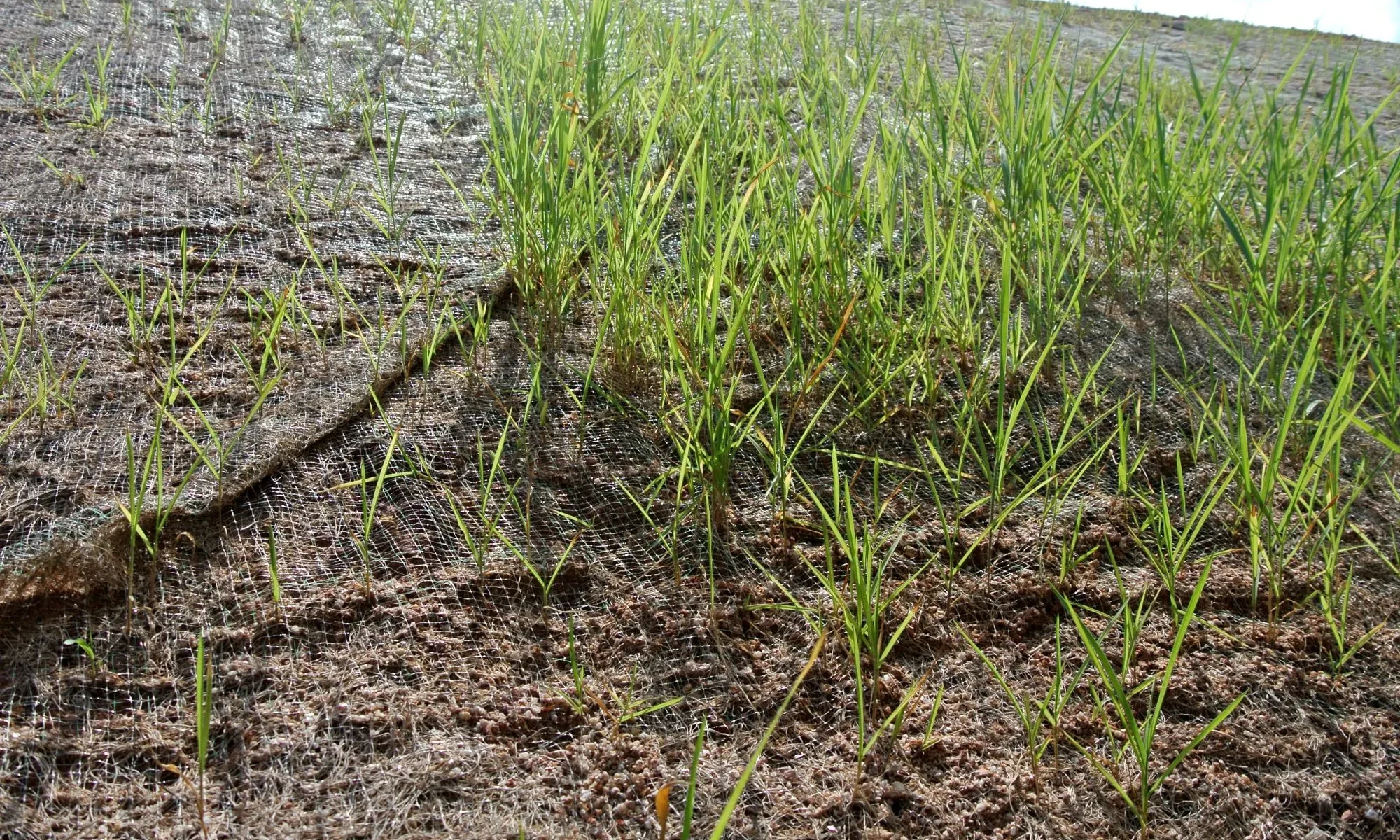
Spring snowmelt can remove large amounts of soil in just a few days if runoff is not properly managed. Alberta’s freeze-thaw cycle, frozen ground, and rapid temperature changes often create more concentrated water flow than a typical rainfall event. Jade Blade Hydroseeding helps property owners reduce erosion by combining hydroseeding, erosion control products, and site … Continue reading "How to Prevent Spring Snowmelt Erosion in Alberta"
Hydroseeding can be completed outside the peak growing season, but success depends more on soil conditions than the calendar. Early spring and late fall each present different challenges that affect germination, root development, and overall establishment. Understanding these seasonal limitations helps property owners decide whether to proceed or wait for more favourable conditions. Jade Blade … Continue reading "Can Hydroseeding Be Done in Early Spring or Late Fall?"
How to overseed an existing lawn with hydroseeding is a common question from property owners dealing with thinning grass, bare spots, or lawns that have lost density over time. Hydroseeding can be an effective overseeding method when existing turf still has value but needs reinforcement rather than replacement. Jade Blade Hydroseeding applies overseeding strategies that … Continue reading "How to Overseed an Existing Lawn with Hydroseeding"
Fertilization schedule after hydroseeding is important because new grass needs nutrients at the right stage, not simply more fertilizer sooner. Hydroseeded lawns already begin with a starter mix, so follow-up feeding should support germination, seedling strength, root growth, and winter preparation without overloading young turf. Jade Blade Hydroseeding helps property owners time fertilizer applications around … Continue reading "Fertilization Schedule After Hydroseeding"
Proper watering is one of the main factors that determines whether a hydroseeded lawn establishes evenly or develops thin, stressed, or failed areas. During early germination, the goal is to keep the surface consistently moist without creating runoff, pooling, or oversaturation. Edmonton conditions can change quickly between cool spring weather, dry wind, and summer heat, … Continue reading "How to Water a Hydroseeded Lawn in Edmonton for Best Results"
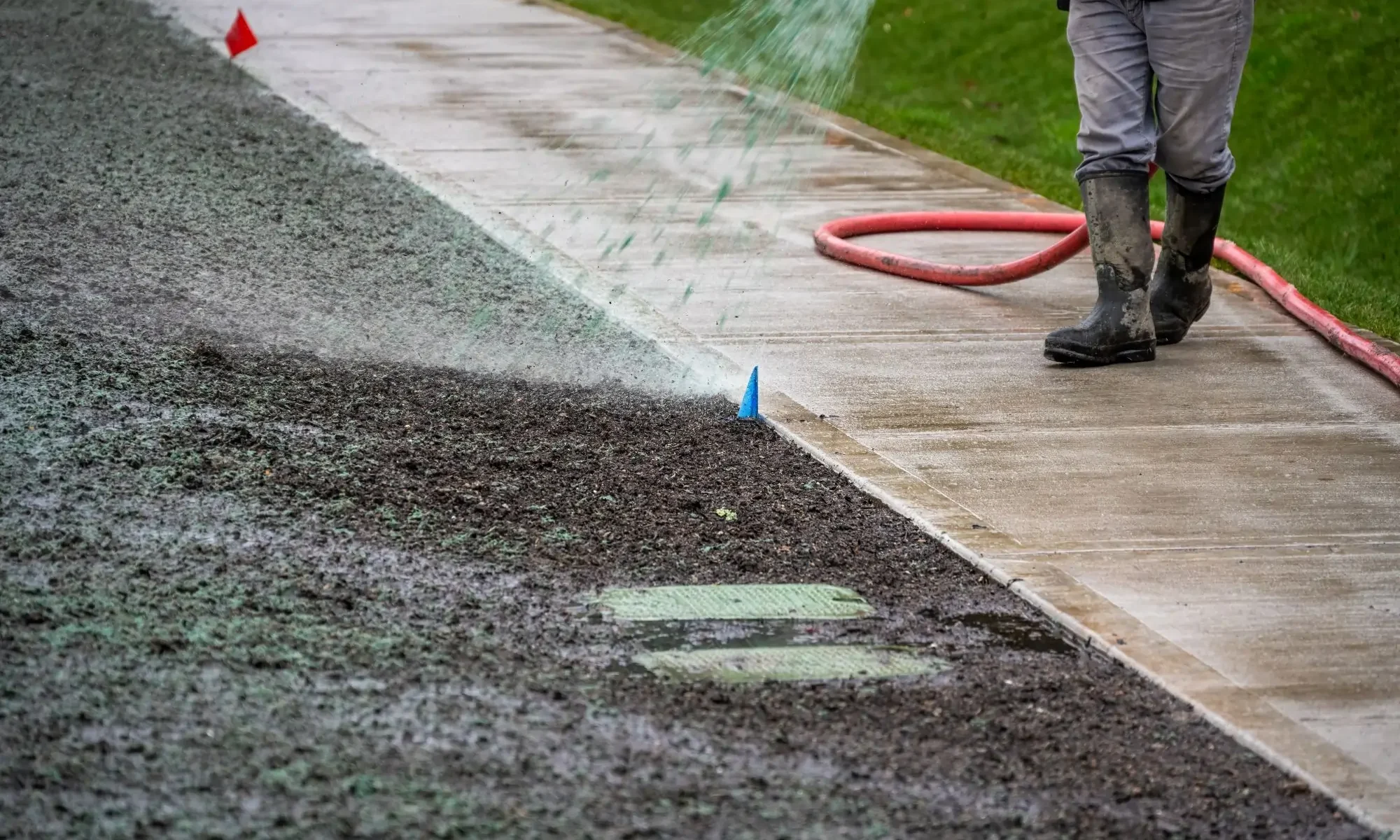
Hydroseeding is often misunderstood as simply spraying grass seed onto soil, but the process is structurally different from loose seed application. A hydroseed slurry combines seed with mulch, tackifiers, fertilizer, and moisture-retention materials designed to improve soil contact, reduce movement, and support germination consistency. In Edmonton and other Western Canadian climates, those additional components affect … Continue reading "Is Hydroseeding Just Spraying Grass Seed?"
Heavy rain can damage hydroseeding when water moves the slurry before seed has settled into the soil or before germination has anchored the surface. The highest washout risk is usually within the first stage after application, before root development begins and the surface has stabilized. Light rain often helps seed-to-soil contact and moisture retention, but … Continue reading "Can Heavy Rain Ruin Hydroseeding in Western Canada?"
Bare soil after grading or excavation creates immediate erosion and compliance risks if it is left exposed. In most cases, stabilization should begin the same day or within 24 to 48 hours, especially if rain is expected. Stabilization controls runoff, protects soil structure, and prevents sediment from leaving the site. Compliance issues typically arise when … Continue reading "How to Stabilize Soil Quickly After Grading or Excavation"
Hydroseeding vs sod is a common decision for Edmonton property owners who want to balance budget, timeline, and long-term lawn performance. The right choice depends on how quickly the area needs to look finished, how much disturbance the site will face during early growth, and how large the area is. Disturbance includes foot traffic, pets, … Continue reading "Hydroseeding vs Sod: Cost, Timeline, and Results"
Fixing a lawn that won’t grow in Edmonton soil starts with identifying why the grass is failing, not adding more seed and hoping for a different result. In Edmonton, repeated lawn failure usually comes from heavy clay, compaction, shallow topsoil, drainage issues, or a reset that never fixed the base conditions. Jade Blade Hydroseeding addresses … Continue reading "How to Fix a Lawn That Won’t Grow in Edmonton Soil"