
Bare soil after grading or excavation creates immediate erosion and compliance risks if it is left exposed. In most cases, stabilization should begin the same day or within 24 to 48 hours, especially if rain is expected. Stabilization controls runoff, protects soil structure, and prevents sediment from leaving the site. Compliance issues typically arise when sediment leaves the property boundary or enters drainage systems, which is regulated more strictly on commercial and active construction sites than on residential properties. Jade Blade Hydroseeding outlines how to stabilize soil quickly based on risk level, timeline, and site conditions.
Why Bare Soil Becomes a Risk Immediately
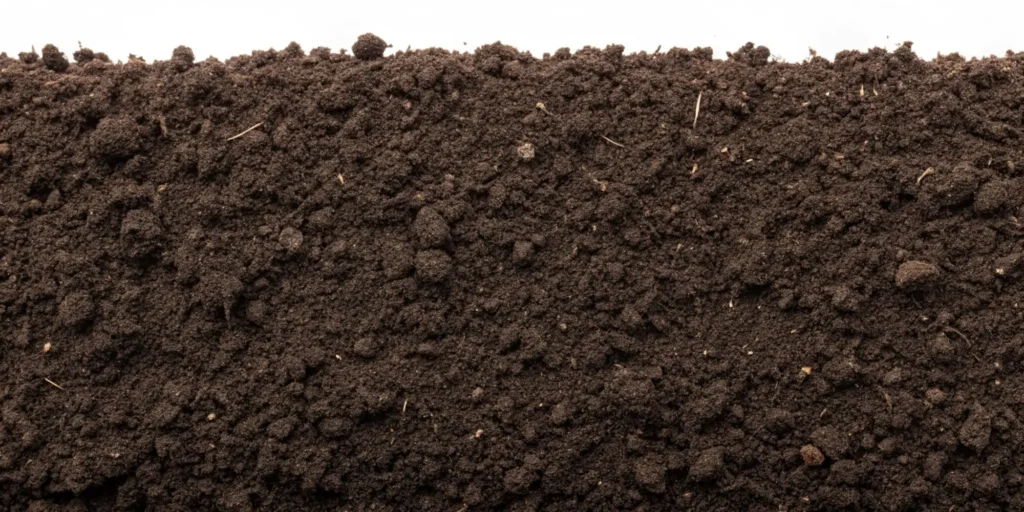
Exposed soil loses structure as soon as equipment finishes grading. Wind and water begin to move loose particles, especially on slopes or compacted subgrade. Soil type affects this risk. Sandy soils move quickly under wind and water, while clay soils resist movement initially but create runoff when compacted.
Even light rain can displace fine particles, especially on exposed or sloped areas, which leads to uneven surfaces and drainage changes. As soil shifts, the original grade can change, which alters how water flows across the site and increases erosion over time.
Compaction from construction equipment makes the problem worse. Water cannot absorb into compacted soil, so it runs across the surface and carries material away instead of soaking in.
Short-Term Stabilization Options
Short-term stabilization reduces erosion risk until permanent coverage establishes. These methods typically protect soil for days to a few weeks, depending on weather and site exposure. They do not provide long-term durability on their own.
Short-term methods work best when the exposure window is limited or when permanent stabilization will follow shortly. On higher-risk sites, crews often combine multiple methods to control both surface erosion and runoff movement.
Erosion Control Blankets
Erosion control blankets cover the soil surface and hold it in place. Crews install them over slopes, drainage paths, and areas exposed to runoff. The blanket reduces surface movement and helps retain moisture.
Blankets work best on moderate slopes with controlled runoff. As slope angle increases or water flow concentrates, blankets require proper anchoring and sometimes additional support. Poor installation or weak anchoring can lead to lifting or failure during rain events.
They do not establish vegetation on their own unless combined with seeding. If used alone, they act as temporary surface protection rather than long-term stabilization.
Hydromulch Applications
Hydromulch applies a slurry of mulch, water, and binding agents directly to the soil surface. The material forms a protective layer that reduces erosion and helps retain moisture.
Hydromulch provides immediate surface coverage once applied, but it remains temporary without seed. When crews include seed, it supports vegetation growth. Without seed, the material breaks down over time and loses effectiveness, especially under repeated weather exposure.
Hydromulch works well for rapid coverage on large or open areas where blankets are not practical, but it requires follow-up stabilization if used without vegetation.
Silt Fencing and Perimeter Controls
Silt fencing and perimeter controls manage where sediment travels rather than stabilizing the soil itself. Crews install these barriers along downslope edges, drainage paths, and property boundaries to intercept runoff.
These controls are required on many construction sites to prevent sediment from leaving the property. They can fail if water overtops the barrier or if installation and maintenance are not handled correctly. They function as secondary containment and must be combined with surface stabilization methods to control erosion at the source.
When Hydroseeding Is the Right Stabilization Strategy
Hydroseeding becomes the right approach when temporary measures are not enough for the expected exposure period or when ongoing erosion risk requires active stabilization. It applies when soil will remain exposed for more than a short-term window or when site conditions increase the likelihood of erosion.
Hydroseeding can be applied soon after excavation, but the surface must be properly prepared. Crews need to complete grading, correct compaction where needed, and ensure the soil can support seed and moisture retention before application.
Combining Vegetation and Soil Binding
Hydroseeding applies seed, mulch, fertilizer, and tackifier in a single process. The mulch layer protects the soil surface, while the tackifier binds material in place. Compared to blankets, tackifier provides surface binding but does not match mechanical reinforcement on steep slopes or high-flow areas.
This method addresses both immediate and long-term stabilization. The mulch reduces early erosion risk, and root development improves soil structure over time. It works best on moderate slopes and areas where water flow remains controlled.
Heavy rain before germination can exceed the holding strength of mulch and tackifier, especially on exposed or sloped surfaces. In these cases, additional reinforcement may be required.
Timeline for Effective Coverage
Hydroseeding does not provide instant full stabilization. The mulch layer reduces erosion immediately, but full stability depends on seed germination and growth. Under typical conditions, early growth begins within one to three weeks, depending on temperature, moisture, and seed selection.
On sites with high exposure, hydroseeding alone may not be sufficient during early growth. Crews often combine it with blankets or perimeter controls to manage runoff until vegetation establishes. If weather interrupts early growth, crews may need to reseed affected areas to restore coverage and maintain stabilization.
Sloped and High-Risk Areas
Slopes, drainage channels, and high-flow areas increase erosion risk because water moves faster across the surface. High-risk areas typically include steep grades, concentrated drainage paths, and sections where runoff cannot disperse evenly.
Hydroseeding can stabilize these areas when conditions remain moderate and controlled. On steep slopes or areas with concentrated water flow, hydroseeding alone is often not sufficient. Crews typically add erosion control blankets or other reinforcement to prevent failure. Without reinforcement, steep slopes can exceed the holding capacity of mulch and seed, especially during heavy rainfall.
Transitioning from Stabilization to Permanent Lawn Establishment
Stabilization controls erosion, but it does not always create a finished lawn. Temporary methods protect soil but do not produce a durable surface for use.
Hydroseeding allows the site to transition directly into a permanent lawn as vegetation establishes. Once grass reaches consistent density and root depth, the area shifts from stabilization to maintenance without requiring full rework.
If temporary methods are used first, additional soil preparation may be required before final lawn establishment. This can include regrading, soil amendment, or reseeding, which increases total effort compared to a single integrated approach.
Timing affects this transition. If stabilization occurs late in the season, vegetation may not establish fully before dormancy, which can delay completion into the next growing season.
Stabilization Decision Factors:
These stabilization factors define how quickly exposed soil becomes a problem and what level of control the site requires. On real projects, Jade Blade Hydroseeding uses these conditions to determine whether temporary protection is enough or if a permanent solution like hydroseeding is needed.
- Slope severity and water flow, steeper grades and concentrated runoff increase stabilization requirements
- Soil type and compaction level, sandy soils erode faster while compacted clay increases runoff
- Timeline before weather exposure, shorter windows require faster or reinforced solutions
- Budget for temporary vs long-term solutions, separate phases increase total cost
- Rainfall and drainage conditions, higher exposure increases failure risk without reinforcement
Each of these factors directly influences how aggressive the stabilization strategy needs to be. Sites with steep slopes, poor soil conditions, or immediate weather exposure require faster and more reinforced solutions. Projects with longer timelines and controlled conditions can rely on lighter methods, but still require proper planning to prevent rework or compliance issues.
Leave a Comment